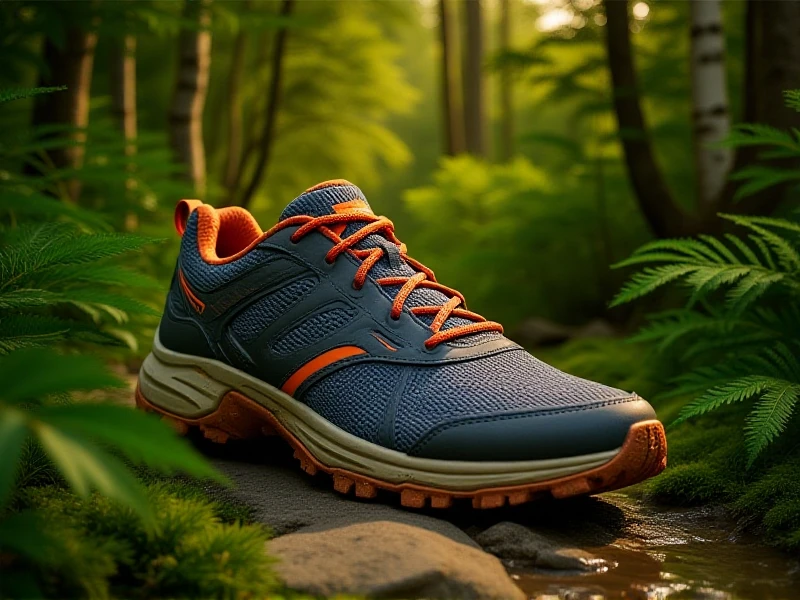
The Ultimate Guide to Finding Your Perfect Pair of Running Shoes
Choosing the right running shoes isn't just about fitness; it's about unlocking a more enjoyable, efficient, and injury-free experience. With so many options flooding the market, finding your ideal match can feel overwhelming. But fear not – understanding a few key principles makes all the difference. Your feet, your gait, and your goals deserve the perfect partner.
Why The Right Fit is Non-Negotiable: Ill-fitting running shoes are a fast track to blisters, black toenails, and potentially more serious injuries like shin splints or plantar fasciitis. A shoe that fits correctly supports your foot's natural movement, absorbs impact forces effectively, and provides stability where you specifically need it. Always get your feet measured professionally, as size can fluctuate, and shop later in the day when feet are naturally slightly swollen.
Key Factors to Consider:
- Foot Type & Gait: This is crucial. Are your feet high-arched, low-arched (flat), or neutral? Do you overpronate (foot rolls inward excessively), supinate (foot rolls outward), or have a neutral stride? Visiting a specialty running store for gait analysis is invaluable. They can observe your stride and recommend shoes with the appropriate level of stability, motion control, or cushioning.
- Cushioning Level: Preferences vary. Maximalist shoes offer thick, plush cushioning for superior shock absorption over long distances or on hard surfaces. Minimalist shoes provide a more natural ground feel but require stronger feet and a transition period. Traditional cushioned shoes strike a middle ground. Consider your typical running terrain (road, trail, track) and desired feel.
- Surface & Purpose: Road running shoes prioritize cushioning and flexibility for pavement. Trail running shoes feature aggressive outsoles for superior grip, rock plates for protection, and often more structure on uneven terrain. Speedwork or racing flats are lightweight and responsive but offer less cushioning, ideal for tempo runs or race day.
Popular Running Shoe Types Explained:
- Neutral Cushioned: Designed for neutral gaits or supinators, offering balanced cushioning without additional stability features. Great for efficient runners seeking a smooth, comfortable ride.
- Stability: Incorporate moderate guidance features (like firmer foam on the inner side, "posts," or structured midsoles) to help control mild to moderate overpronation without sacrificing cushioning. A very common category.
- Motion Control: Offer the highest level of support and firmness for severe overpronators, often featuring rigid structures and a straighter last (foot shape) to limit excessive inward rolling. Typically slightly heavier.
- Trail: Engineered with aggressive lugs for traction, protective elements, and usually more durable uppers to handle rocks, mud, and roots.
- Racing/Performance: Focus on minimal weight and maximum energy return for speed. Less cushioning and durability than daily trainers.
Investing in Your Run: Quality running shoes represent an investment in your health and performance. While prices vary, expect to pay a premium for advanced cushioning technologies, durable materials from reputable manufacturers, and specialized designs. Remember, they are the only equipment you truly need to start running effectively. Rotate two pairs if possible, allowing each pair to decompress between runs, which extends their lifespan. Most shoes are optimally supportive for 300-500 miles – listen to your body for signs they need replacing.
Finding your perfect pair of running shoes empowers you. They become an extension of your movement, providing the support, comfort, and propulsion needed to meet your personal goals, stride by confident stride. Visit your local running specialty store to experience personalized fitting today and feel the difference in every run.